
What effective ant control should achieve
Trail-led inspection
We use ant movement and feeding behaviour to track where the colony is working.
Nest-focused treatment
The plan aims beyond visible workers so the main source is properly addressed.
Practical prevention advice
We explain food, moisture and gap issues that can keep ants coming indoors.
Following the trail to the real source
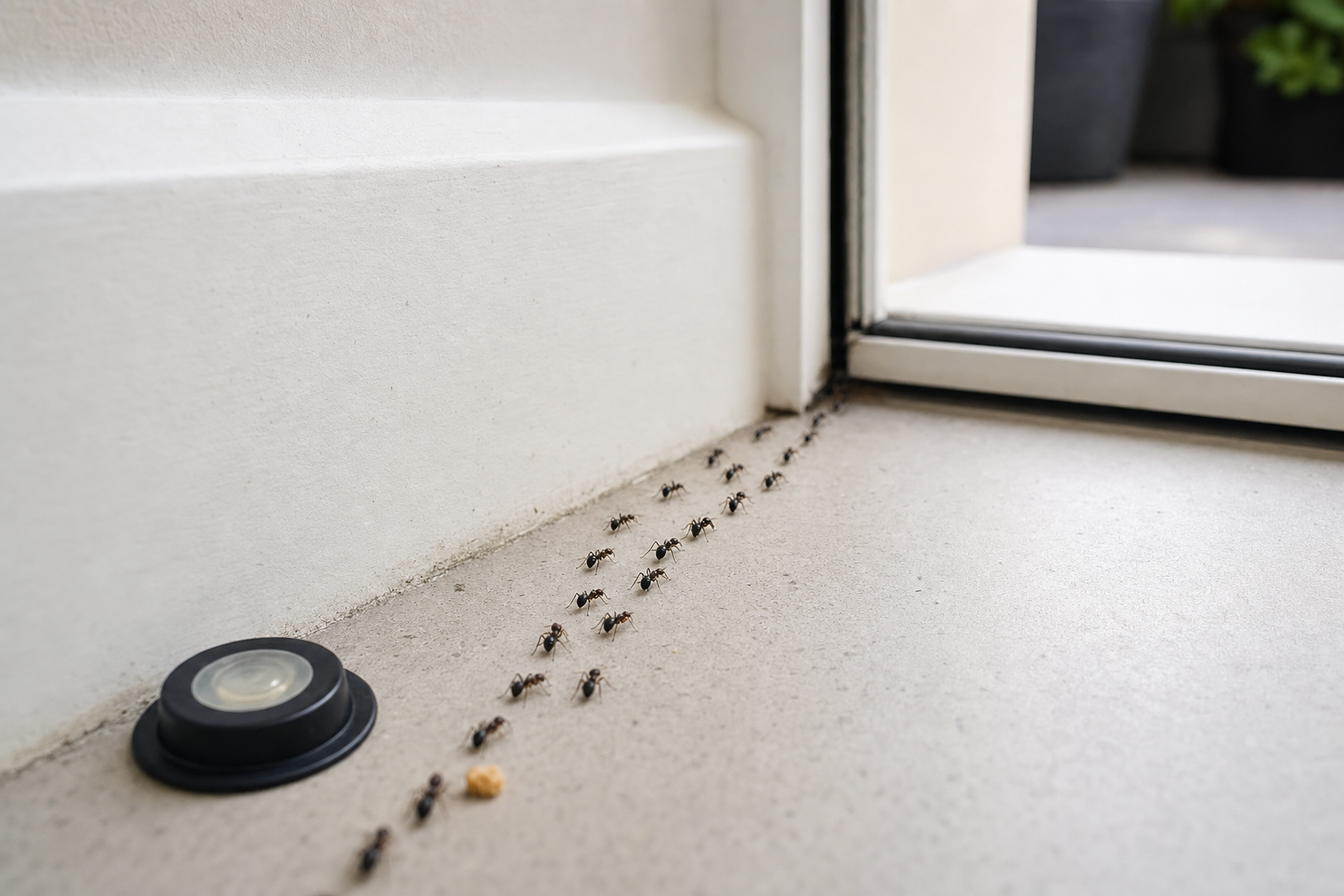
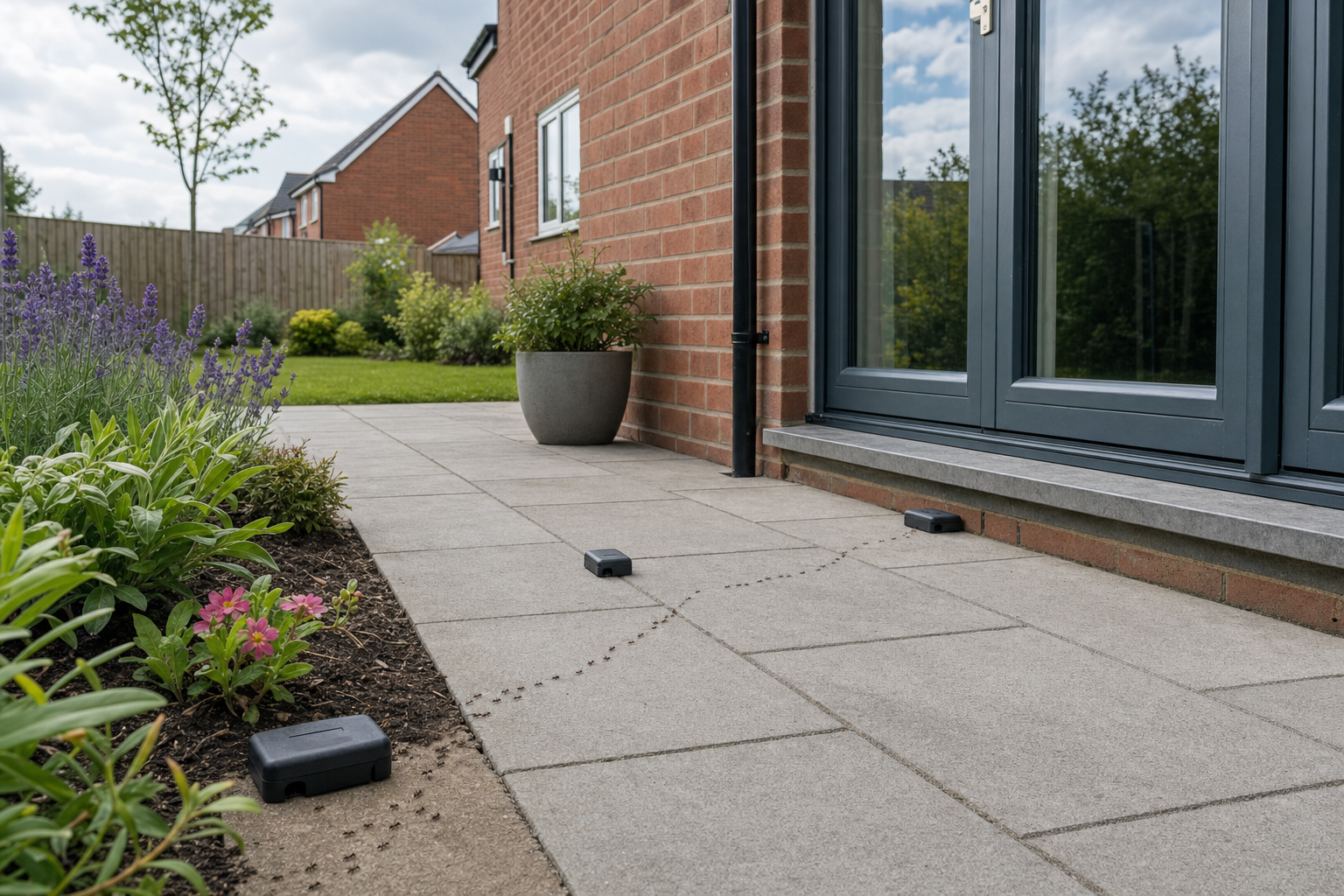
Ant activity often seems simple at first, but the visible workers are not always the heart of the problem. Trails across worktops, skirting edges, patios or wall lines can show where ants are feeding and how they are reaching the property, while the nest itself may be elsewhere. Correct identification also matters because indoor trails, wall void activity and outdoor nests do not always call for the same approach. When you contact Impact Environmental Ltd, we look at feeding behaviour, entry points and likely nesting routes before deciding how control should begin. In Derby, that helps us target the source rather than just the ants moving through the open on the day.
Treating the colony and reducing access
Colony treatment is important because disturbing visible workers alone may not affect the nest that is sustaining the problem. We also explain the practical steps that help reduce further activity, such as removing food residues, sealing suitable entry gaps and correcting moisture that attracts indoor ants. Monitoring after treatment matters because trails can change, fresh routes may appear and additional nest points sometimes become clearer once the main movement starts to reduce. That makes ant control a matter of tracing the pattern properly instead of only reacting to the places where ants are easiest to see.
Frequently asked questions
Why do ants keep returning after I clean them away?
Cleaning visible ants can remove the immediate trail, but it does not necessarily affect the nest or the route being used to reach the food source. If the colony remains active and access is unchanged, fresh worker ants may simply establish the same path again.
Should I wipe away an ant trail before treatment?
You can clean surfaces as normal, but the trail pattern can be useful evidence when we are trying to work out where ants are entering and feeding. If possible, note where movement starts and finishes so we can use that information during the inspection.
Can an outside nest cause indoor ant problems?
Yes. Ants often travel in from outdoor nests through gaps, cracks or areas around doors and services. That is why we consider both the visible indoor activity and the wider route from outside, rather than treating the room in isolation.