
What clear identification gives you
Less guesswork
We use the evidence on site to narrow the problem down before treatment starts.
Pest-specific action
The chosen method reflects the species, the setting and the level of activity found.
Useful preparation advice
You know what to move, clean or access before we begin the treatment plan.
When you know there is a problem, not the pest
Sometimes the issue is obvious, and sometimes it is not. You may have found droppings, noticed bites, heard movement, seen damage or discovered nesting material without knowing what is behind it. That uncertainty can make it harder to judge what to do next, especially if the activity is spreading through more than one room or affecting a business area. When you contact Impact Environmental Ltd, we look at the signs in context, including where they are found, how often they appear and what kind of property is involved. In Derby, that gives you a route to professional identification instead of trying random treatments that may miss the real source.
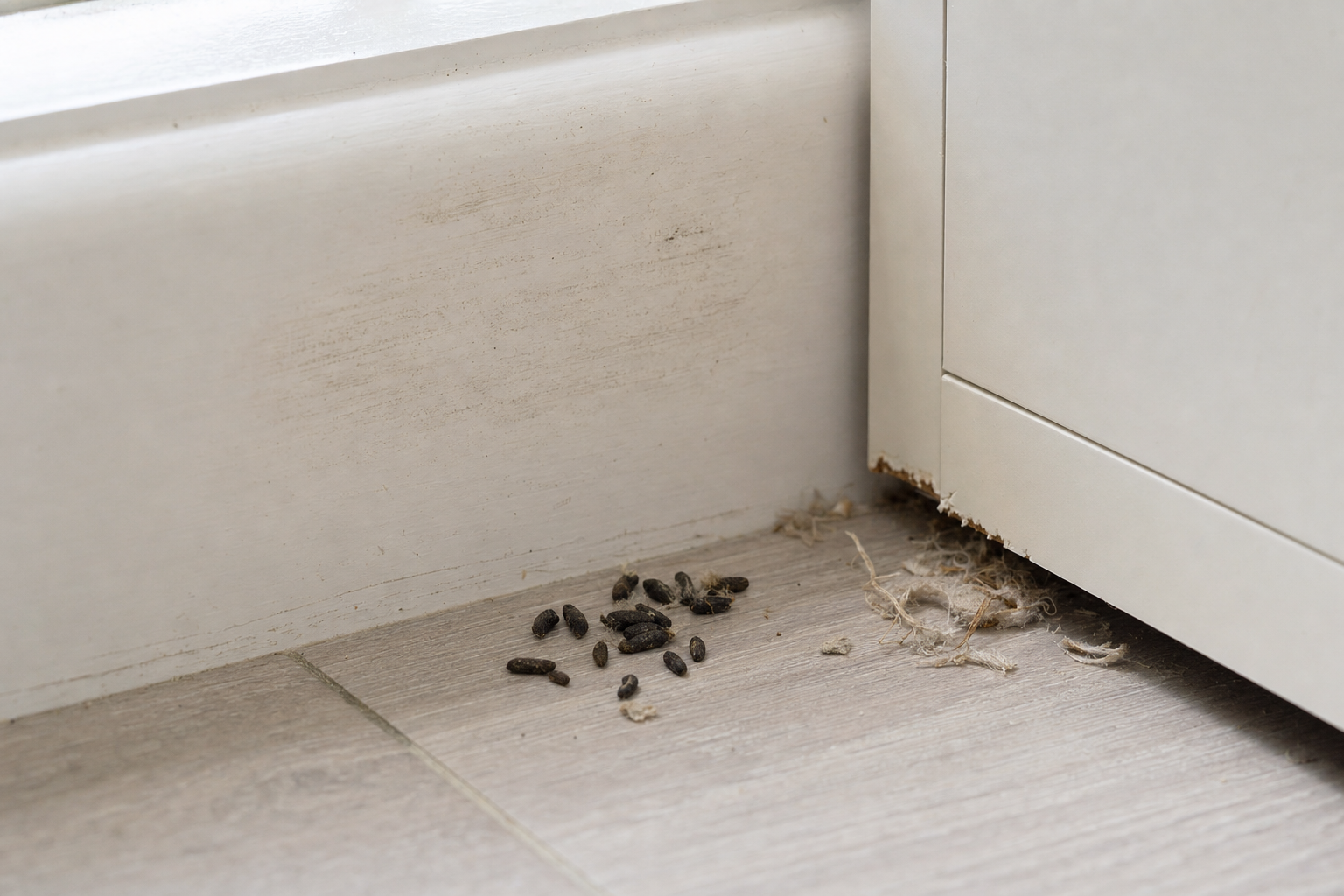

Treatment that matches the pest and the property
Once the problem has been identified, the plan depends on the species, life cycle, level of activity and the spaces where pests are feeding or sheltering. We explain any preparation you need to complete, along with aftercare such as cleaning, food storage, access to affected areas and monitoring for fresh signs. If the inspection shows a specific rodent, insect, bird or wildlife issue, we can guide you to the dedicated treatment route that suits it best. That keeps the advice practical and helps you understand why the chosen approach fits the evidence we have found.
Frequently asked questions
Do I need to know the pest before I call?
No. This page is for situations where the signs are real but the pest is not yet confirmed. We use droppings, tracks, bites, damage, nesting material and activity patterns to help identify what is likely to be present before choosing treatment.
What details help identify an unknown pest?
The most useful details are where the signs appear, what you have seen or heard, how long it has been happening and whether activity is concentrated in one room or spread wider. Photos can help, but the property inspection is what joins the clues together.
Will preparation be the same for every pest?
No. Preparation and aftercare depend on the species involved and the spaces affected. A bedroom issue, a loft problem and activity around food areas all need different practical steps, which is why identification comes first.