
What effective mouse control should involve
Small gap inspection
We focus on the tiny openings and routes mice can use to stay active indoors.
Safe treatment placement
The plan reflects the property layout and the people or pets using the space.
Proofing guidance that lasts
We explain the storage and sealing steps that help reduce repeat activity.
Tracing where mice are feeding and nesting
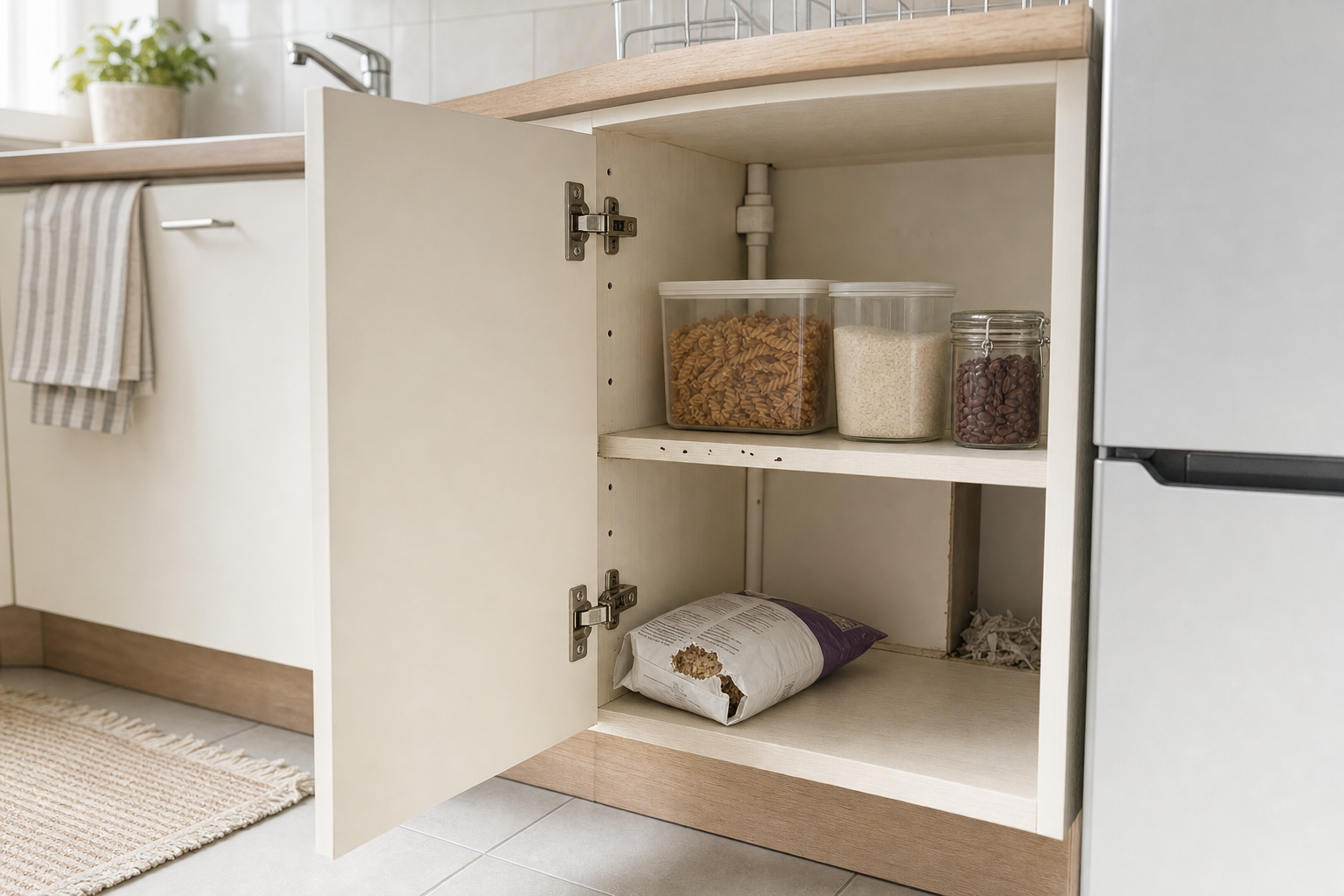
Mouse activity can build quietly before it becomes obvious. Small droppings, scratching noises, gnawed packets, nesting material and movement around kitchens, cupboards or loft spaces are common signs. Because mice can use very small gaps, a proper inspection looks beyond the first place you notice them and follows the likely paths between nesting and feeding areas. When you contact Impact Environmental Ltd, we check the small openings mice rely on, the concealed places they are using for harbourage and the food sources keeping them active. In Derby, that helps homeowners, landlords and businesses understand how the infestation is working inside the property.
Control backed by proofing and monitoring
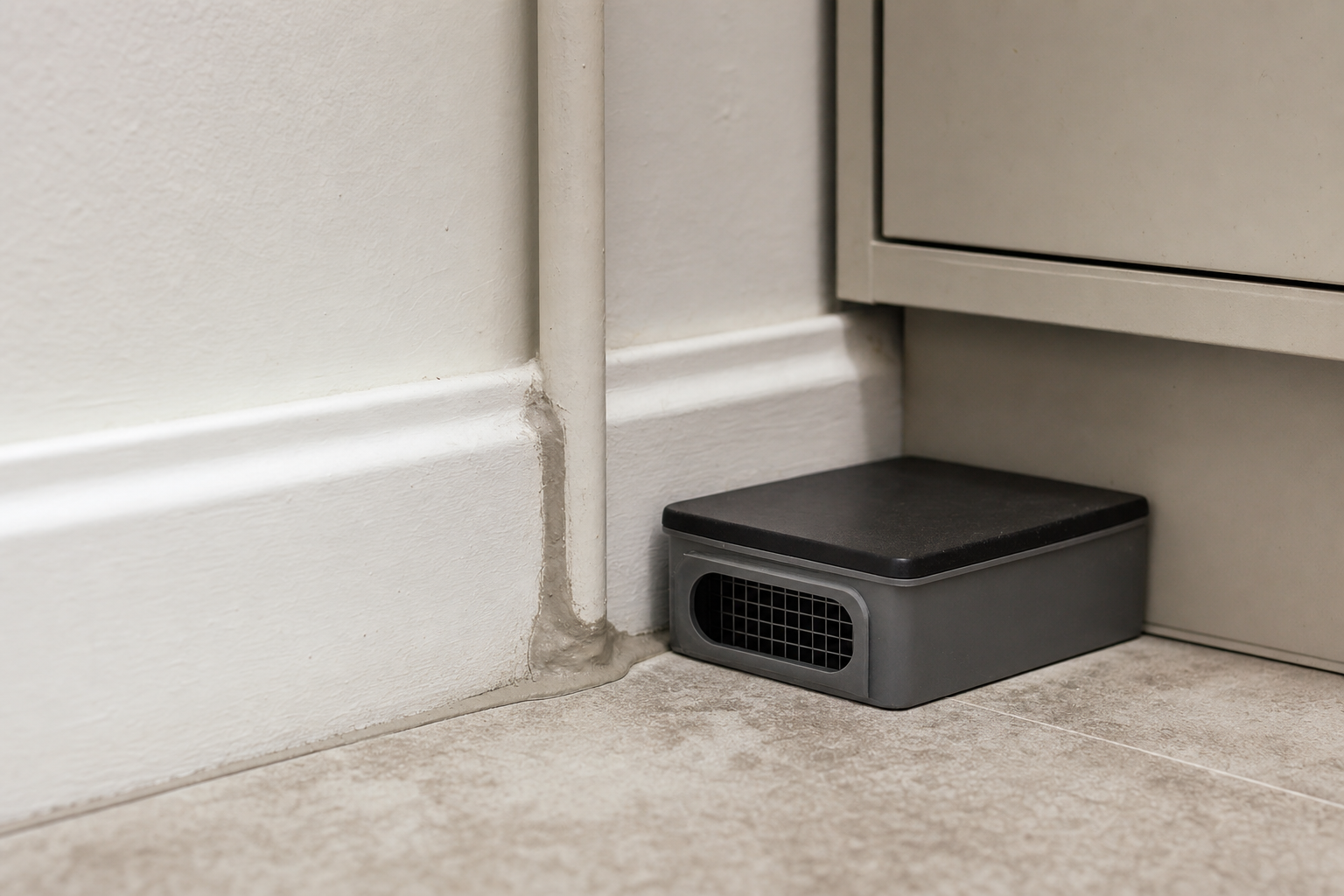
The treatment plan depends on the layout of the property, the scale of activity and safe placement considerations for people and pets. We also explain the proofing and housekeeping steps that make a difference, including sealing suitable gaps, storing food securely and reducing the kind of concealed material that helps nesting continue. Monitoring is important because fresh droppings, feeding and trap or bait activity show us whether mice are still present and where they are moving. That information helps us judge what has improved and what still needs attention after the first stage of control.
Frequently asked questions
How small an opening can mice use?
Mice can squeeze through surprisingly small gaps, which is why the inspection pays close attention to edges, pipe entries, cupboards and service routes. Missing a small access point can allow activity to continue even after the first treatment stage.
What should I do before a mouse control visit?
Try to note where droppings or noises are strongest, keep food sealed and avoid disturbing active areas more than necessary. We may also ask you to make cupboards, loft access or room edges easier to reach so the inspection can be thorough.
Why does monitoring matter after treatment?
Fresh droppings, feeding signs and trap or bait activity help show whether mice are still active and which routes are still being used. Monitoring turns control into a process that can be checked, rather than relying on assumptions after one visit.