
What sensible fox control should focus on
Routes and shelter checked
We look at how foxes are entering and what keeps drawing them back.
Setting-specific deterrence
The approach is matched to the garden, grounds or wider outdoor area involved.
Prevention guidance that helps
We explain how refuse, feeding and shelter can sustain repeat fox activity.
Why fox activity often keeps returning
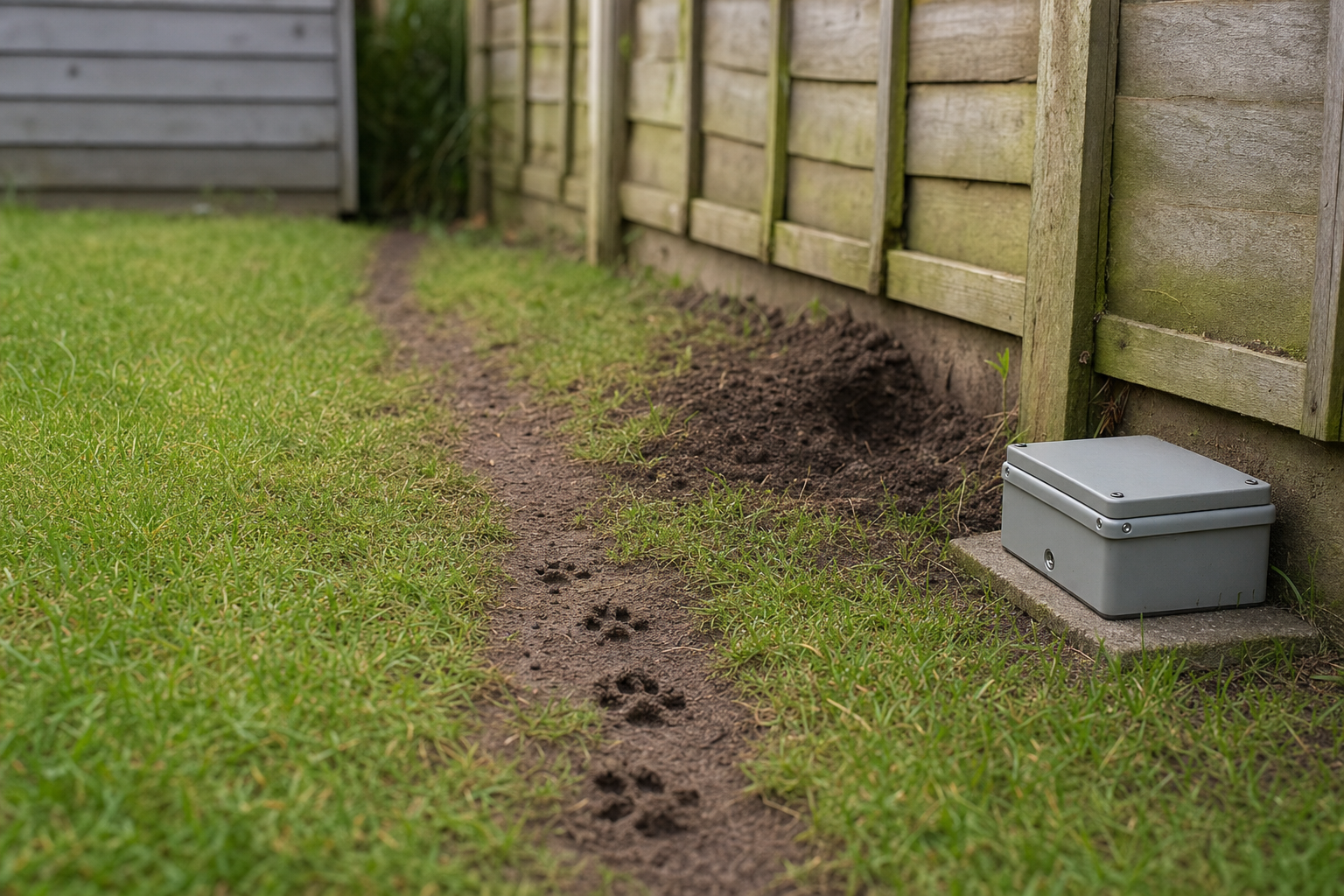
Foxes usually come back for a reason. You may be dealing with fouling, digging, disturbed lawns, overturned waste, denning or the same routes being used through a garden or around outbuildings. The pattern matters, because a fox that has found food, shelter or a regular path will often return until those attractions are reduced. When you contact Impact Environmental Ltd, we assess the property for feeding opportunities, cover, access routes and site features that encourage repeat visits. In Derby, that helps us understand whether the activity is casual passing through or a more settled problem that needs a proper control and prevention plan.
Reducing the reasons foxes come back
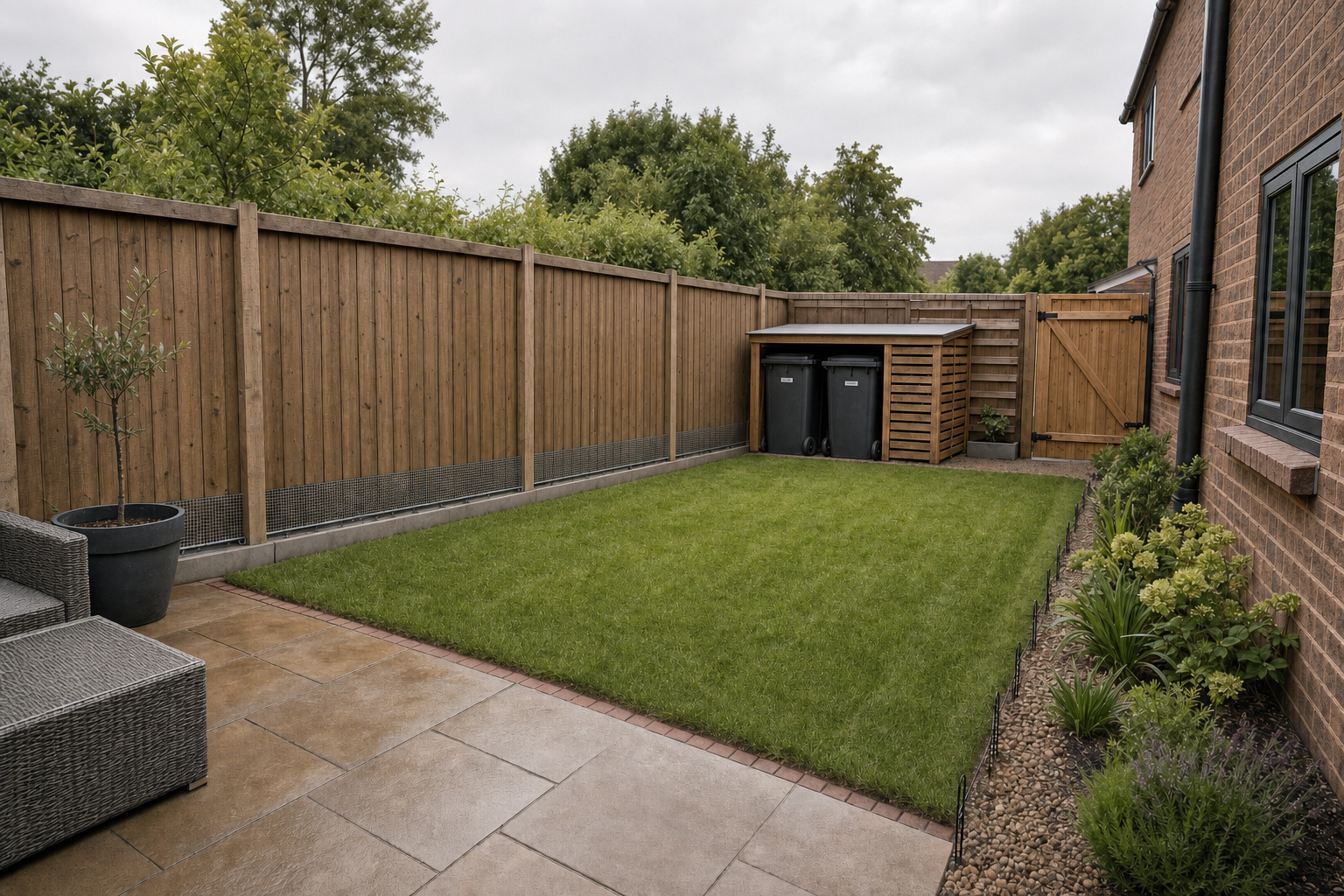
The right approach depends on the setting and the level of activity. Deterrence, exclusion and habitat management can all play a part, but they work best when the underlying attractions are dealt with as well. That can mean improving refuse storage, avoiding outdoor feeding, managing compost, reducing dense shelter and limiting access beneath structures. It is important to be realistic about established fox activity, because lasting improvement usually comes from changing the conditions that support repeated visits rather than expecting one step to solve everything in isolation.
Frequently asked questions
Why do foxes keep visiting the same garden?
Foxes return when they find food, cover, denning space or an easy route through. If bins, pet food, compost or shelter remain available, the area stays attractive. We assess those factors so the plan tackles the reason for the repeated visits.
What should I change around the property?
Useful steps often include securing refuse, avoiding outdoor feeding, checking compost, reducing dense cover and blocking access beneath structures where appropriate. The right mix depends on what the inspection shows is encouraging the activity on site.
Can one visit solve a long-running fox problem?
A single visit can identify the main attractions and set out practical next steps, but long-running activity usually improves when those attractions and routes are reduced over time. We explain what is realistic for the setting and how to build on the first measures.