
What proper squirrel control should cover
Loft and roof checks
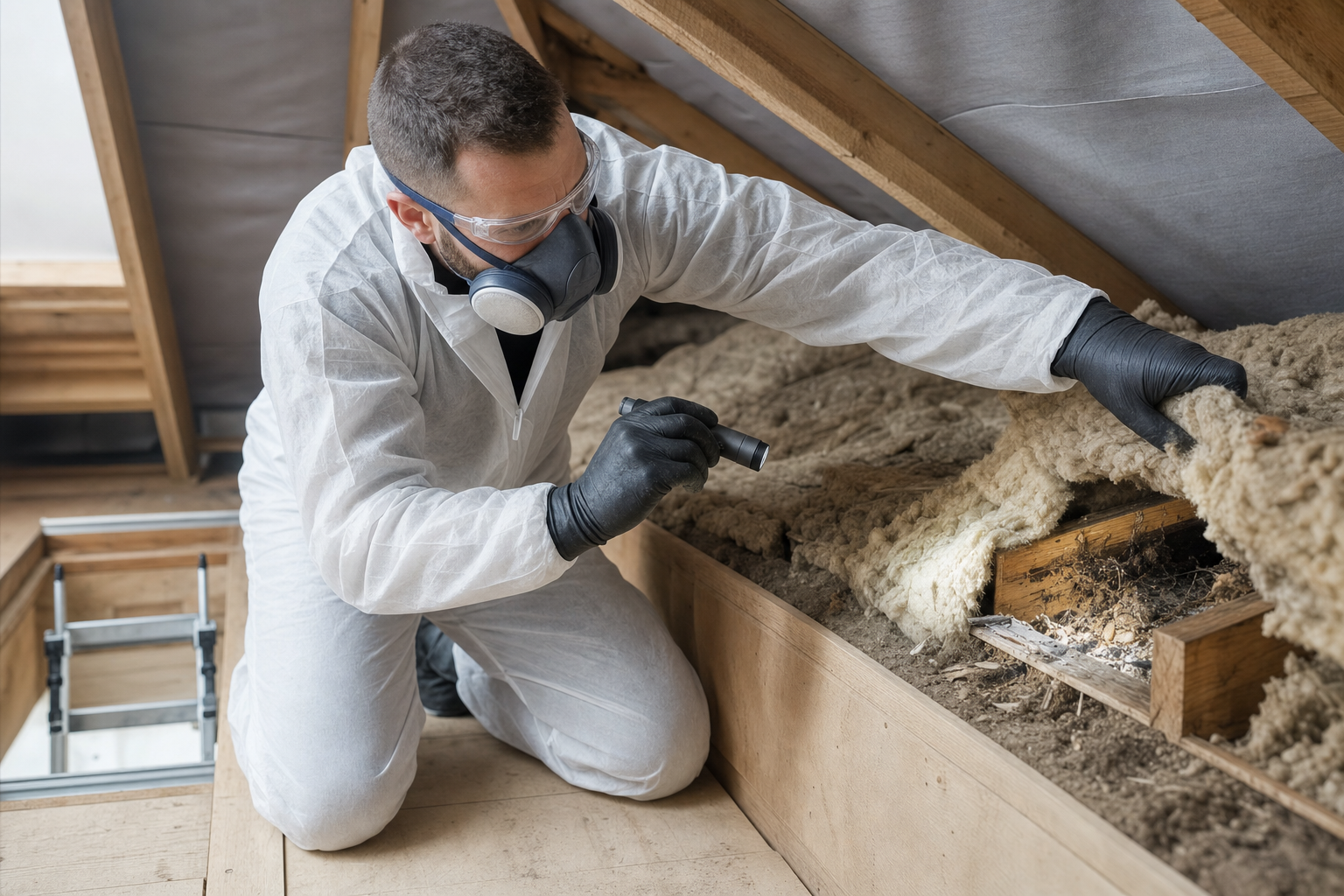
We inspect the activity inside and the external routes that allow renewed entry.
Removal before sealing
Access points are not secured until lawful control has been completed first.
Damage awareness
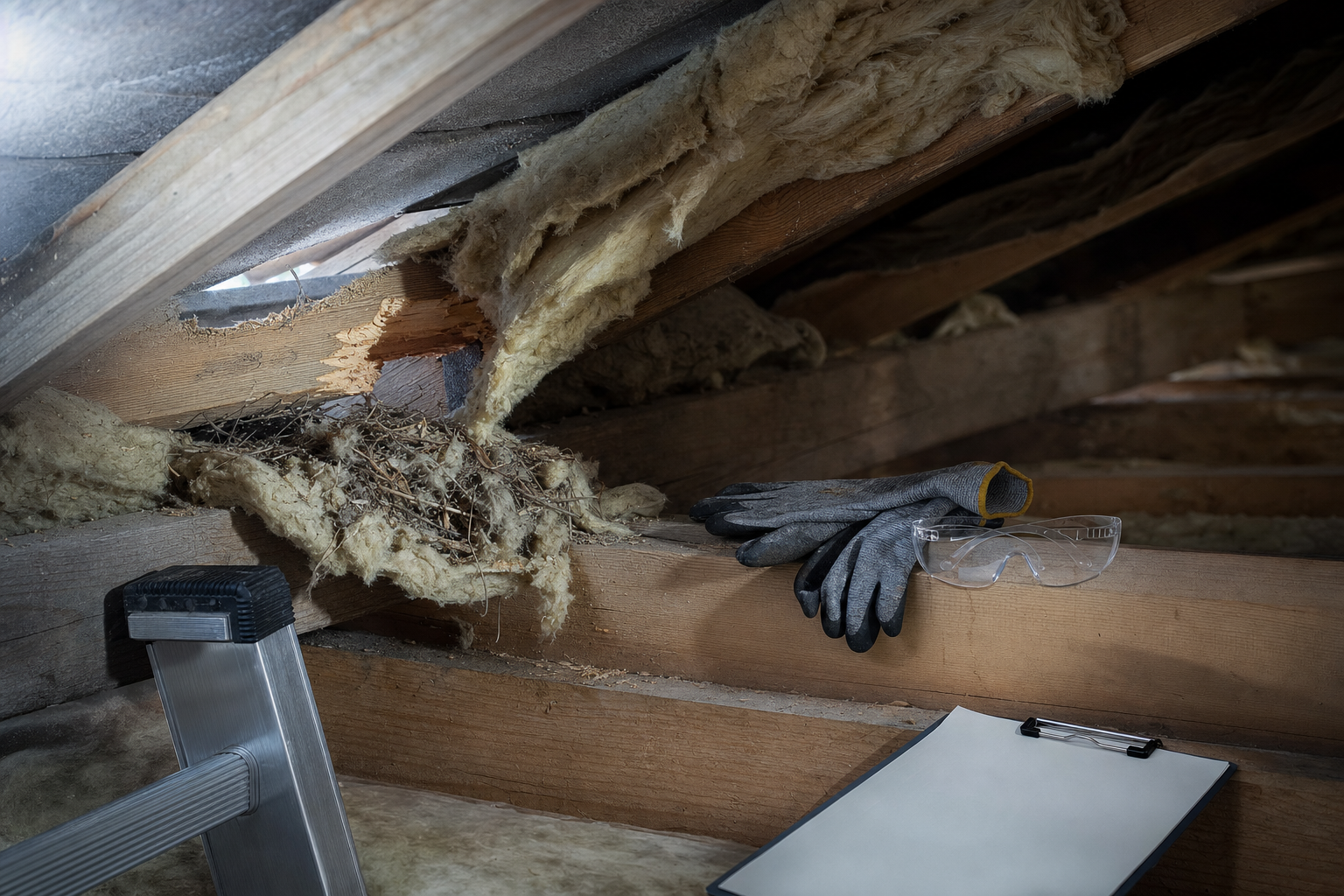
We consider gnawing, nesting and contamination in the affected roof space.
Checking where squirrels are getting in
Squirrels in a roof space usually make themselves known through daytime movement, scratching, gnawing, damaged insulation or nesting material in the loft. Entry is often around roof edges, gaps at high level or routes linked to nearby structures and overhanging vegetation. Prompt assessment matters because squirrels can damage timber, stored items and even electrical cables through repeated gnawing. When you contact Impact Environmental Ltd, we inspect loft activity and the likely external access points so the control plan reflects how the squirrels are entering and using the space. In Derby, that helps turn noisy, unsettled roof spaces into a problem that can be tackled in a clear order.
Removal first, then proofing and repair checks
Lawful control and removal need to be completed before access points are secured against renewed entry. If the building is sealed too early, activity can remain trapped inside or simply shift to another weak point. Once the immediate problem is addressed, we also consider nesting material, contamination and damage within the affected loft space so you have a fuller picture of what the squirrels have left behind. Proofing is strongest when it follows proper assessment of the access routes, the roof condition and the features that made the space easy for squirrels to reach in the first place.
Frequently asked questions
What sounds suggest squirrels in a loft?
Daytime movement, scratching, scurrying and repeated gnawing noises can all point to squirrel activity in a roof space. Because squirrels are often active during the day, their pattern can differ from the night-time movement more typical of some rodent problems.
Can proofing start as soon as a gap is found?
Not usually. Lawful removal needs to come first so activity is not trapped inside and the animals are not simply pushed to another route. Once the immediate problem is resolved, sealing access points becomes a much more reliable step.
Is damage checked as part of the visit?
Yes. We look at likely access points, nesting material, contamination and signs of gnawing to help you understand the wider effect on the roof space. That gives you a clearer idea of what may need attention after the control stage.