
What good mole control should rely on
Active run assessment
We distinguish current mole movement from old ground disturbance before planning control.
Site-aware placement
Ground conditions and tunnel patterns help guide where control is focused.
Checks for fresh signs
New molehills after treatment help show whether activity is still continuing.
Reading the signs of active tunnelling
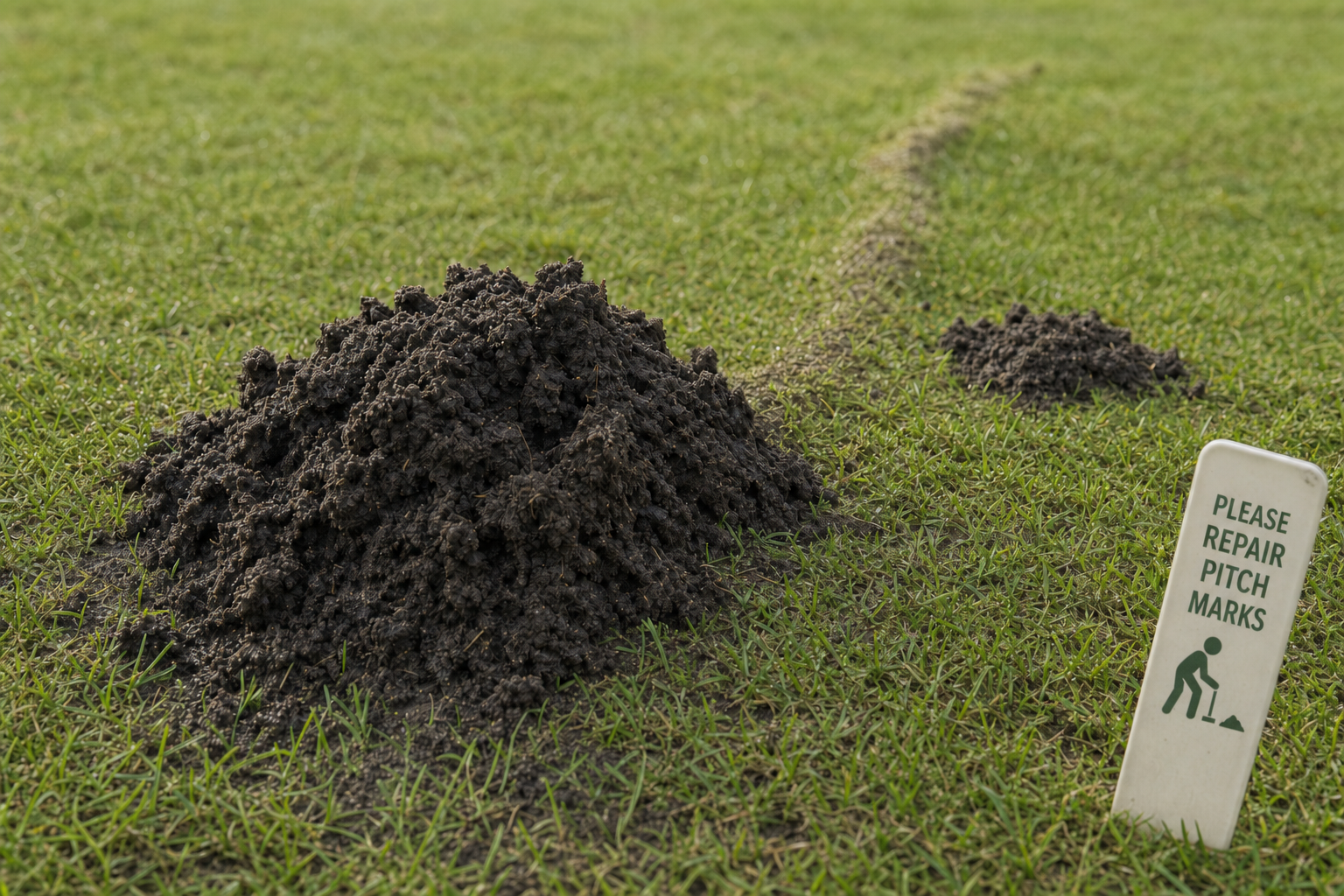
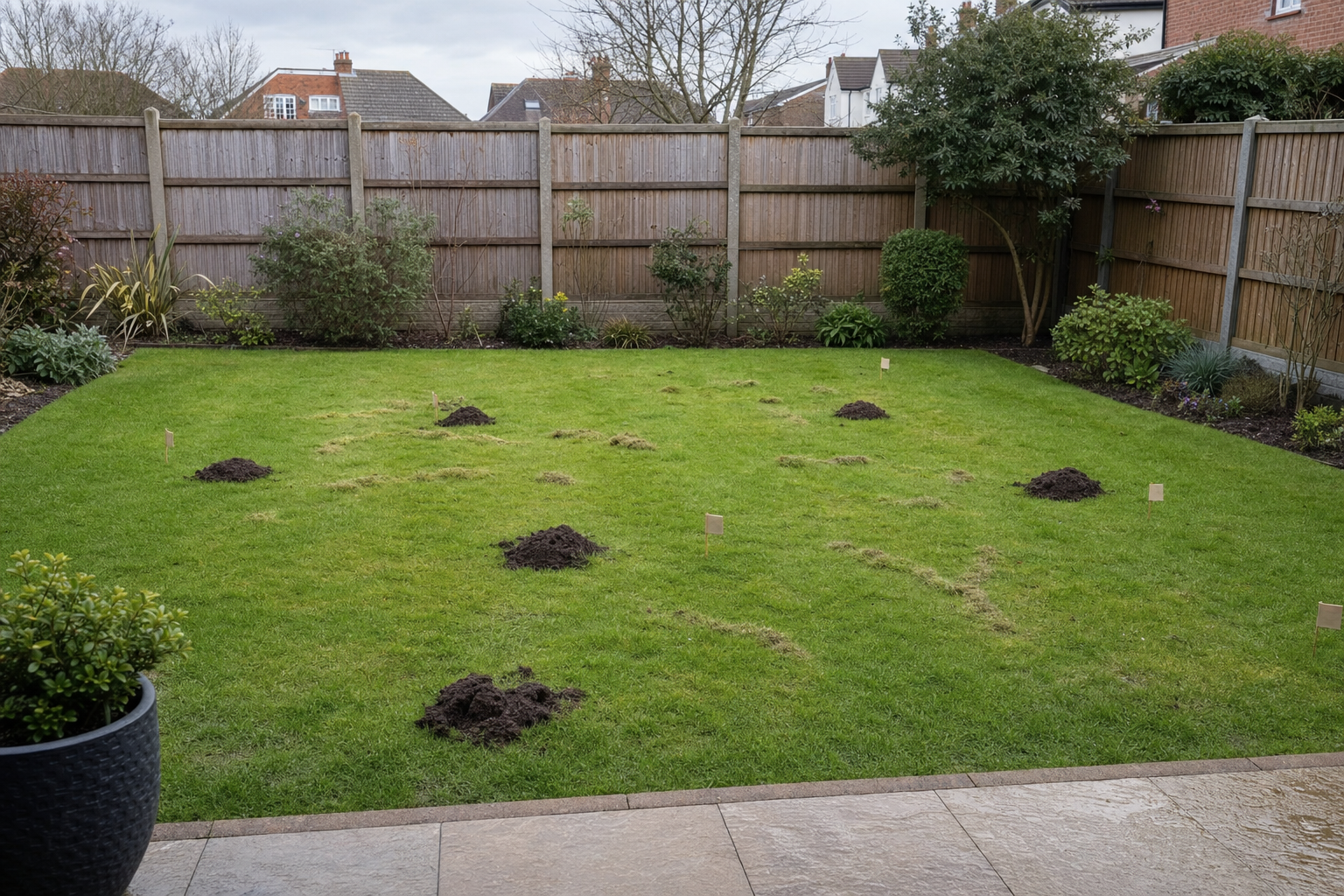
Fresh molehills, raised runs and disturbed turf usually show where tunnelling is still active beneath lawns, gardens and managed grounds. Not every old hill or tunnel means the same level of current activity, which is why the assessment needs to distinguish active runs from older systems before a control plan is chosen. Ground conditions, connected tunnels and the pattern of fresh disturbance can all change what the signs mean. When you contact Impact Environmental Ltd, we focus on the areas where current movement is most likely and use that to shape the control plan. In Derby, that helps direct attention to the parts of the ground that are actually supporting the problem now.
Control matched to active ground conditions
Lawful control depends on placing the chosen method according to current activity and site conditions, rather than treating every tunnel line as equally useful. Soil type, ground disturbance, food availability and linked tunnel networks can all influence the pattern of mole movement. After control, checking the ground for fresh hills is important because it shows whether activity has stopped, shifted or started again from a connected area. We explain what to look for afterwards so you can tell the difference between older disturbance and genuinely new signs that need further attention.
Frequently asked questions
How do you know which runs are active?
Fresh hills, recent turf disturbance and the condition of the runs help indicate where moles are currently tunnelling. The inspection looks for signs of recent movement so control is aimed at active ground rather than relying on older tunnel systems that may no longer matter.
Why do molehills keep appearing in new spots?
Moles can move through connected tunnels and areas of suitable ground, so fresh hills may show up away from the first obvious patch. Soil conditions, food availability and the wider tunnel network all affect where new signs appear over time.
What should I watch for after mole control?
The key sign is fresh hill formation. Older disturbance may still be visible, but newly raised soil suggests continuing or new activity. We explain what the post-control ground should look like and when fresh signs are worth reporting back to us.