
What helps wasp problems get resolved properly
Active nest checks
We use traffic patterns and nest position to confirm the problem before work begins.
Safer access planning
The nest height and location help decide the right approach and equipment.
Clear aftercare advice
We explain the activity you may still see straight after treatment and why.
Knowing if there is an active nest
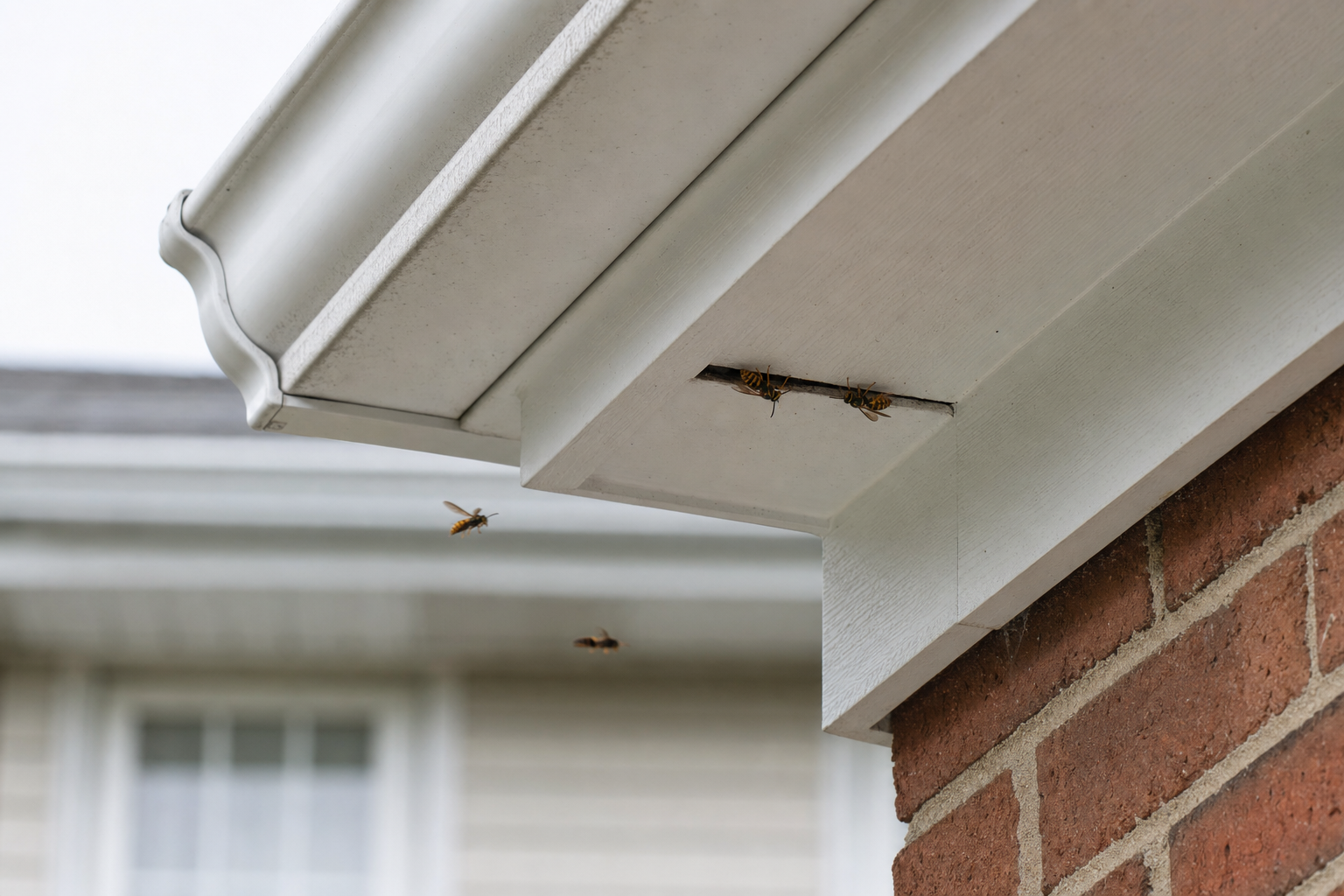
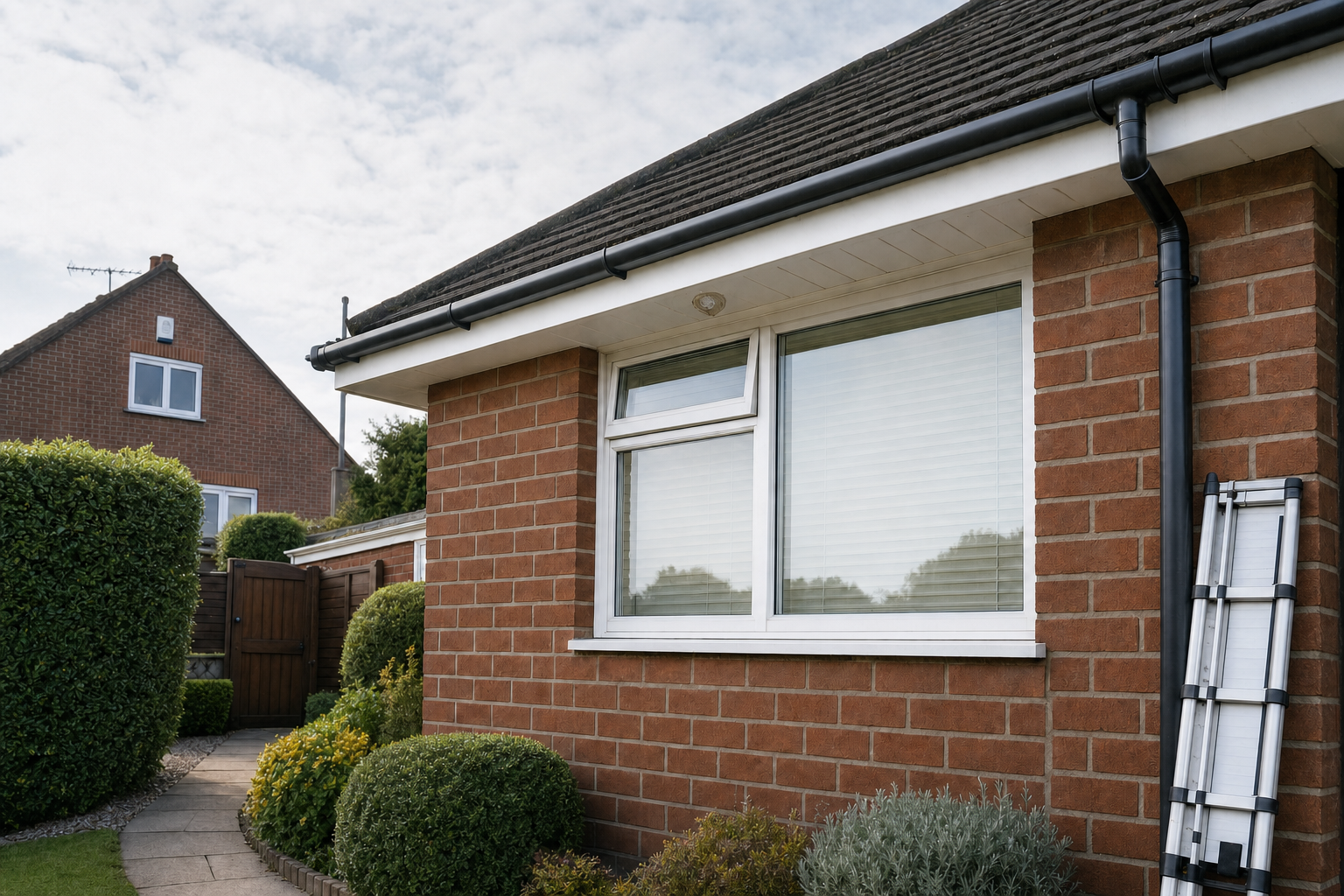
A few wasps near a garden or window do not always mean there is a nest on the property, but steady traffic in and out of one spot often does. We look for visible flight lines and likely nesting places such as roof spaces, eaves, wall cavities, sheds, trees and ground holes. That helps us tell the difference between occasional foraging and a colony that has settled close by. When you contact Impact Environmental Ltd, we focus on where the wasps are travelling, how active they are and how the nest can be reached. In Derby, that gives you a clearer answer before treatment or removal is planned.
Safe treatment based on access and activity
Nest position, access and the level of activity shape the next step. In some cases a targeted treatment is the suitable approach, while in others physical removal may be considered once it is safe to do so. We ask you to keep people and pets away from the area and to avoid disturbing the nest before we arrive. After treatment, you may still see returning wasps around the entrance for a time while colony activity declines. That is normal, and we explain what you should expect so you know the difference between ongoing movement and a nest that is settling down.
Frequently asked questions
How do I know if there is a wasp nest?
A regular stream of wasps using the same gap, roof edge, shed panel or ground hole is a strong sign of an active nest. A few isolated wasps around bins, flowers or open windows are less conclusive, so we assess the movement pattern carefully.
What happens straight after treatment?
It is common to see wasps still returning to the nest entrance for a period after treatment. They may hover or try to re-enter while the colony declines. We explain what is normal to see and when the remaining activity should start to reduce.
Should I try to remove a nest myself?
No. Active nests should be left alone because disturbing them can trigger defensive behaviour and make the situation worse. Keeping clear of the area and leaving treatment to a pest controller with suitable equipment is the safer option.